1 Nov 2026
Viewer Search Histories and Comment Interactions Altering Athletic Content Prioritization
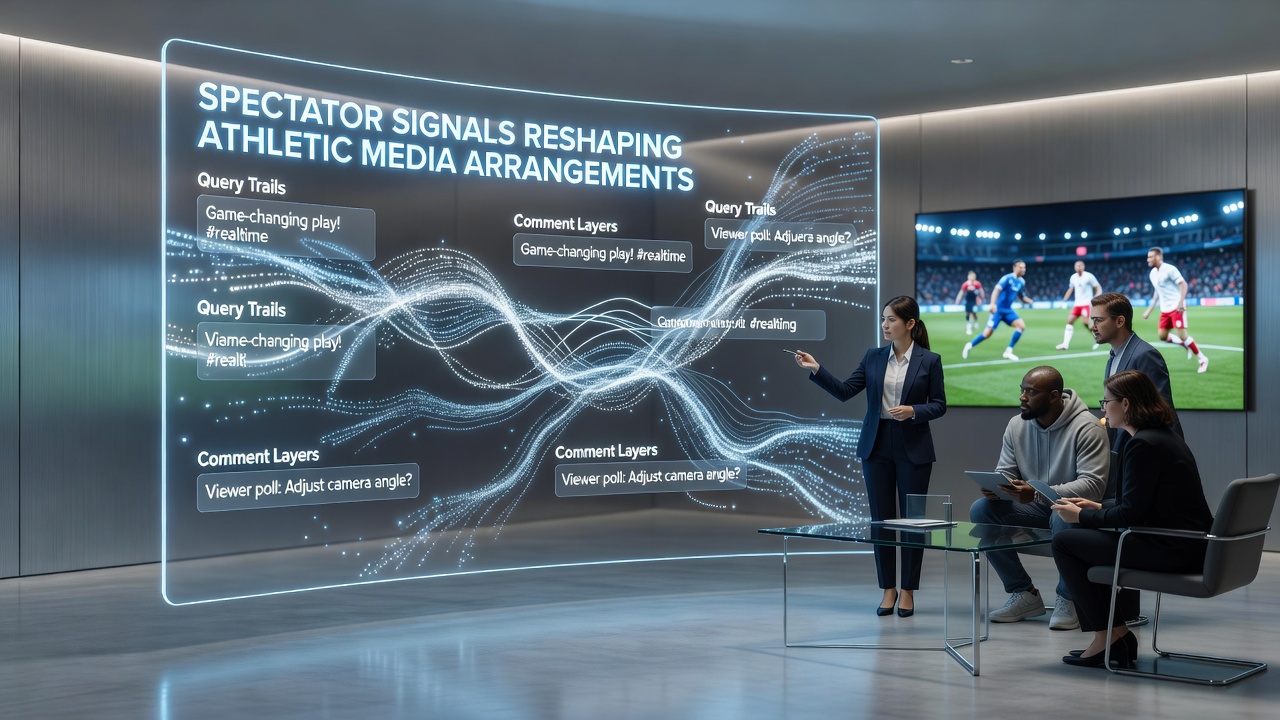
Platforms that host athletic reviews, videos, and image galleries have started adjusting their layouts based on patterns in how visitors search and what they write in comment sections, and these adjustments affect which items reach prominent positions on homepages and playlists.
Query Trails as Navigation Signals
Search histories on sports media sites create trails that algorithms track to determine content placement, and observers note that repeated queries about specific matches or gear often lead to those topics appearing higher in featured sections within days of the pattern emerging. Data from platform analytics shows that when users enter phrases related to recent events, the system responds by elevating related video clips and photo collections, while less searched material shifts to secondary pages. This process operates continuously, with updates occurring in batches that reflect the previous week's activity rather than single instances.
Researchers at institutions tracking digital media consumption have documented similar mechanisms across multiple athletic platforms, and figures reveal that sites using query-based curation see increased dwell time when homepage arrangements align with current search volume. In November 2026, several platforms implemented refined tracking that incorporates seasonal event queries, such as those around major tournaments, to pre-position content ahead of peak interest periods.
Comment Layers Adding Depth to Curation
Comments attached to reviews and visuals provide additional layers of information that platforms combine with search data, and experts have observed that positive or detailed notes on particular images or clips often prompt their promotion to curated collections. These layers function as community annotations that highlight aspects like technical performance details or event context, which then influence how similar items are grouped in video playlists or galleries. The integration happens through moderation systems that flag high-engagement comments, allowing the platform to adjust visibility without manual intervention each time.
One study from a Canadian research group on online sports communities found that comment-driven adjustments resulted in a measurable shift in homepage composition over a three-month period, with items receiving sustained discussion moving forward while static content receded. Platforms apply this by scanning for recurring themes in user notes, then cross-referencing them against query trails to confirm relevance before making layout changes.
Interlocking Systems on Athletic Sites
The combination of query trails and comment layers forms an interlocking system that refines how athletic media appears, and those who monitor these platforms report that navigation paths between info pages, archives, and search functions become more responsive as a result. When a visitor follows a search trail into a comment section, the platform records the sequence and uses it to suggest related visuals or reviews on subsequent visits. This creates feedback loops where community input directly shapes future arrangements, particularly in sections displaying highlights or iconic moments.

Industry reports from organizations such as the Sports Business Journal indicate that sites incorporating these signals experience changes in content distribution patterns, with video vaults and photo repositories adapting to reflect collective user behavior. The approach avoids static hierarchies by treating each interaction as a data point that contributes to ongoing reorganization.
Platform Navigation and User Notes
Site structures channel these inputs into presentation decisions, and analysts note that layered interactions between searches and community-driven collections lead to more dynamic displays of reviews alongside visuals. For instance, when comment activity clusters around certain athletic performances, the system may reorganize related image showcases to appear alongside updated video highlights. This method relies on continuous data collection rather than periodic overhauls, allowing arrangements to evolve with user patterns.
Evidence from academic papers on digital curation suggests that such systems improve discoverability when query trails and comment layers align, and platforms apply this by testing arrangement variations against engagement metrics before finalizing homepage elements. The result appears in how photo archives and review sections prioritize items that match current spectator interests.
Conclusion
Athletic media platforms continue to refine their arrangements through these spectator-driven mechanisms, and the integration of query trails with comment layers produces content displays that respond to documented user activity across reviews, videos, and galleries. Data indicates ongoing adjustments in November 2026 and beyond as platforms incorporate additional signals from navigation patterns and community notes. This framework connects site structures with user inputs to maintain relevance in athletic content presentation.